Roll forming is a high volume, high precision manufacturing process that allows you to create specialized parts quickly and with less wastage. It is a great alternative to traditional metal forming methods like bending, folding, pressing, and stamping, which can be costly and time-consuming. Importantly, roll forming can also produce complex shapes that are strong by performance and light in weight.
Roll forming is a process that produces specialized parts for many industries
1) Automotive
Roll forming can make complex components such as door sash, guide channels, crash guard members, radiator tubes, steering columns, seat rails, etc in the automotive sector.
2) Agriculture and construction
Roll formed components such as A pillar, B pillar, C pillar, Window frames, Cross Members, and hand rails that are used in driver cabins are extensively used in agriculture and construction equipment.
3) Elevators
Components used in elevators are critical and roll forming is perfect here to manufacture components such as, Counter weight guide rails, Door Tracks, Door Stiffeners and door edges.
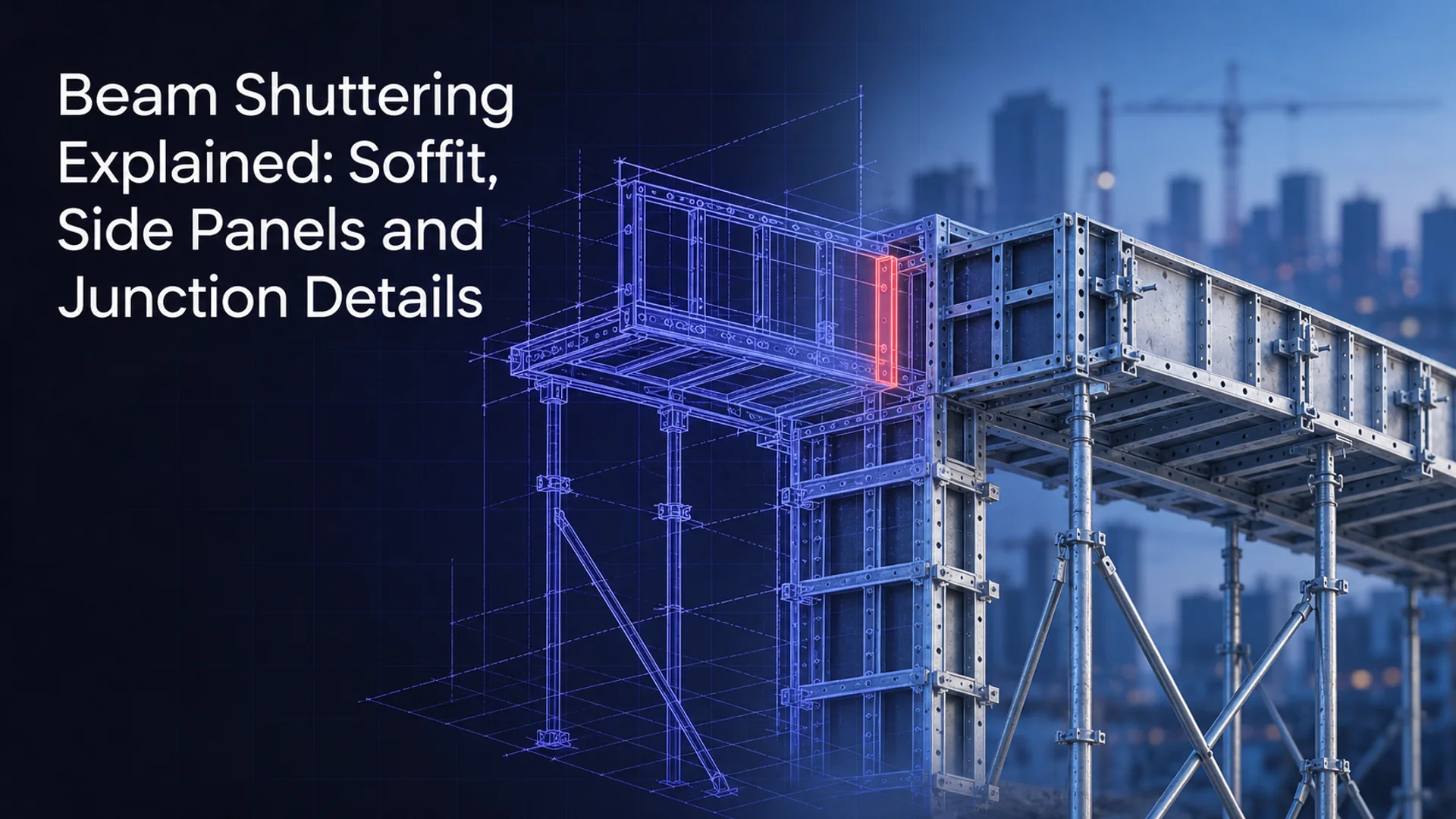
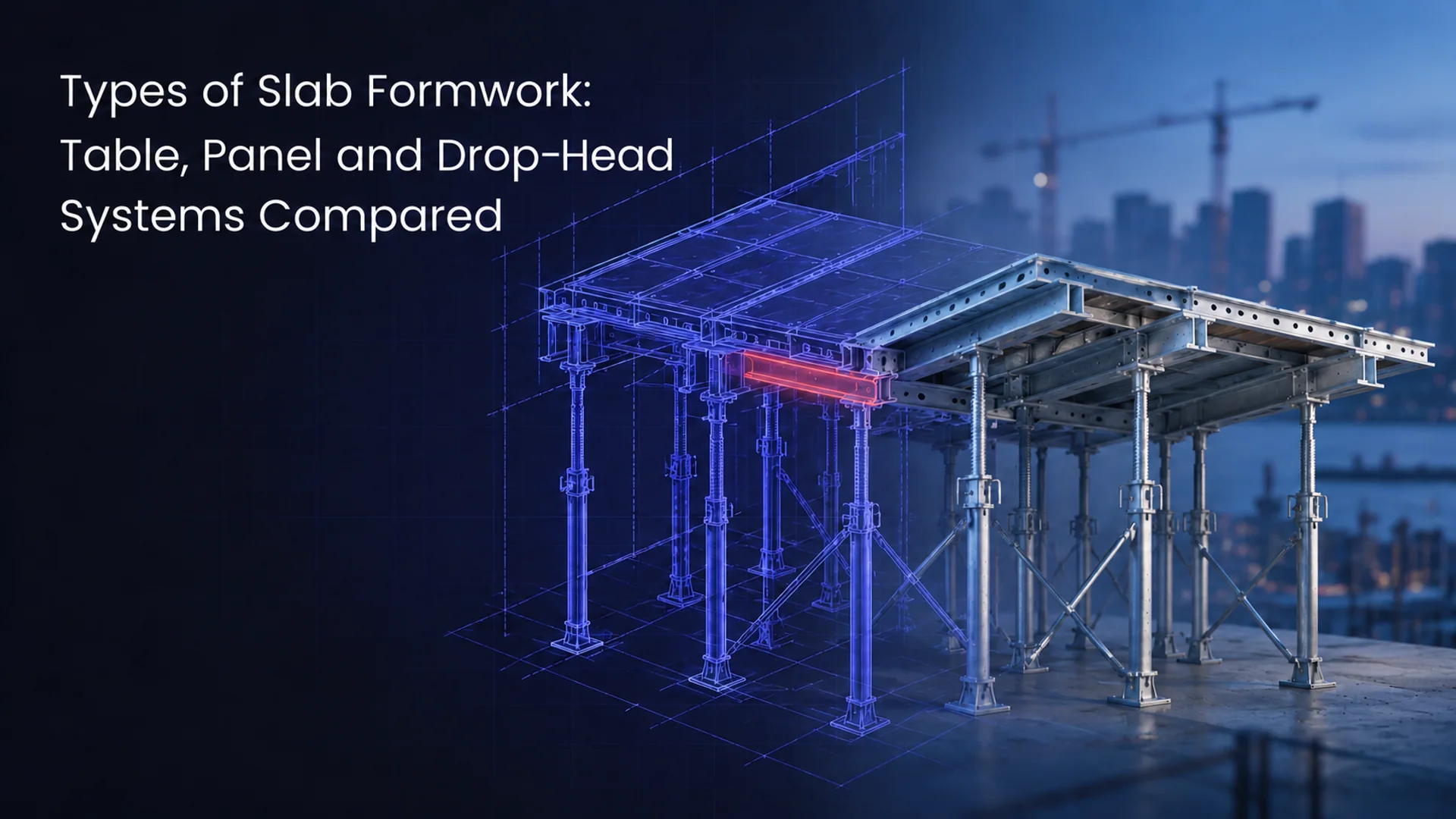
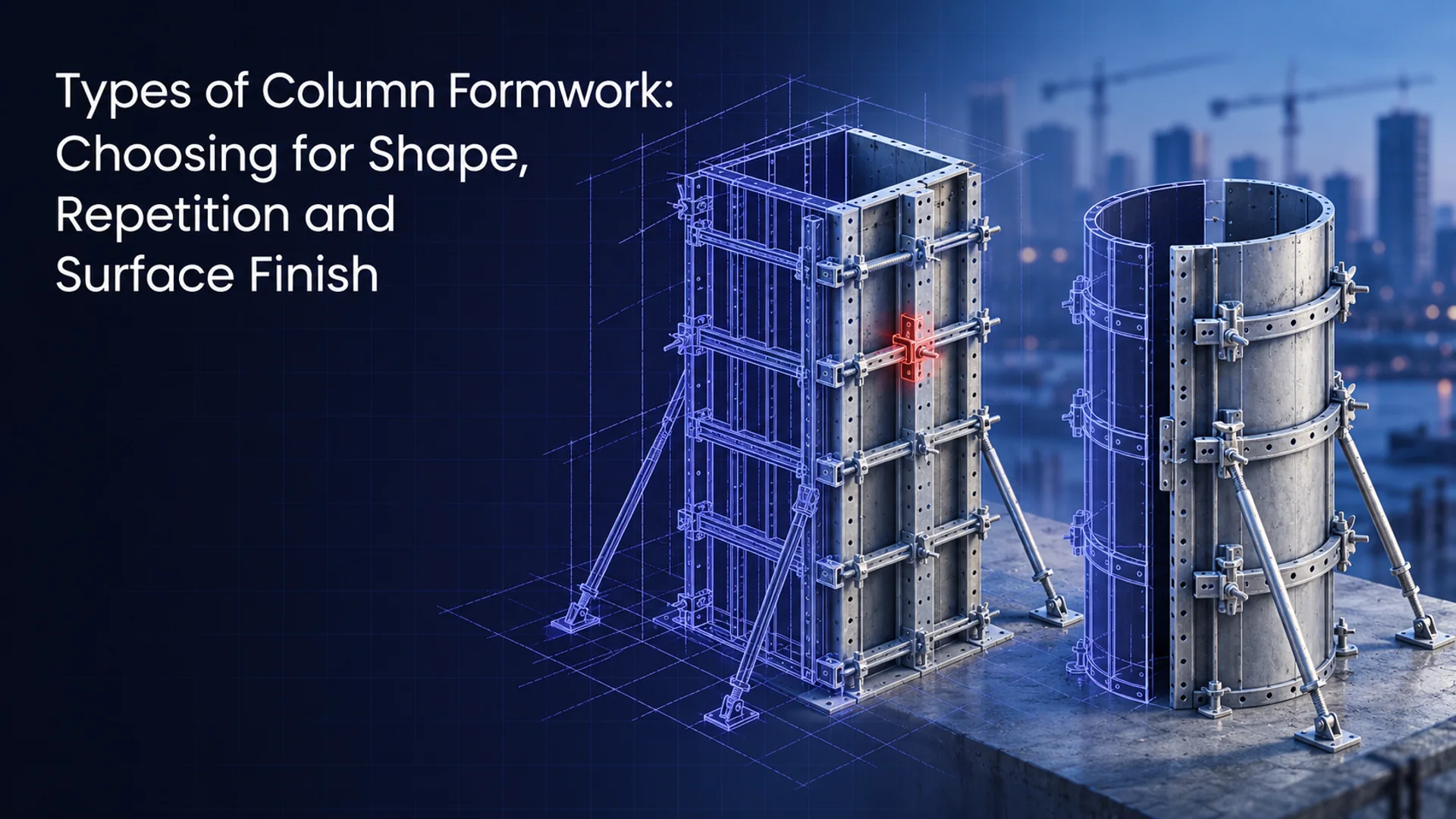
4) Form works
Some components include tubes, trays, moulds, that are used in scaffolding
5) Home appliances
In Home appliances, roll forming can be used to make Gas tubes and pan support components.
6) Textile industry
In Textile industry, Bobbin conveyor tracks, bobbin winding support rods, machine guard rails, are manufactured using roll forming.
7) Road safety equipment
In Home appliances, roll forming can be used to make Gas tubes and pan support components.
8) Cabinets
No storage is complete without vertical and horizontal members, door stiffeners and such components that roll forming can make.
To sum up, roll forming can be used to make all kinds of components because it offers many advantages over other manufacturing techniques. In addition to its ability to produce intricate parts, roll forming is a great choice for businesses that need high-volume manufacturing capabilities at lower costs.

Mother India Forming
Written by Mother India Forming experts with hands-on experience in industrial manufacturing and engineering. Their content provides valuable insights into manufacturing processes, material optimization, and innovative engineering practices, helping clients make informed decisions.
View all posts